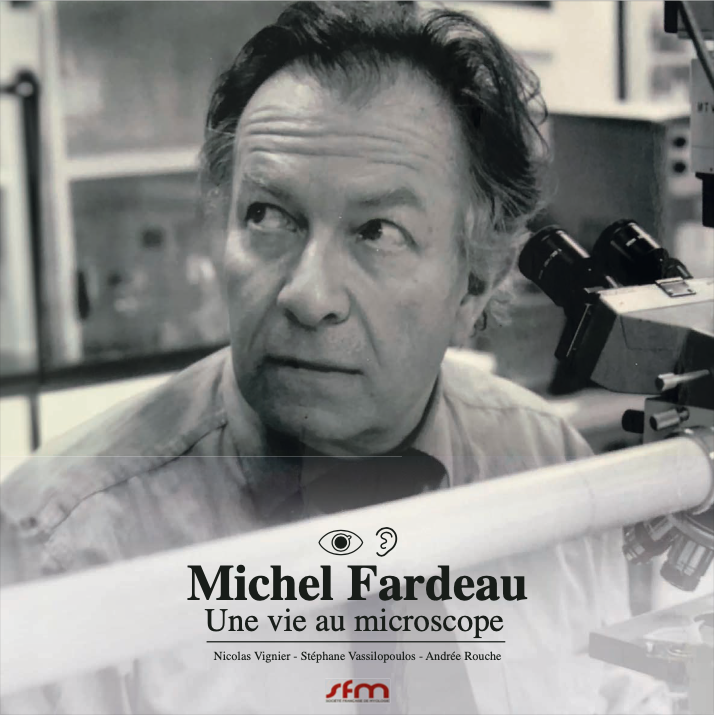
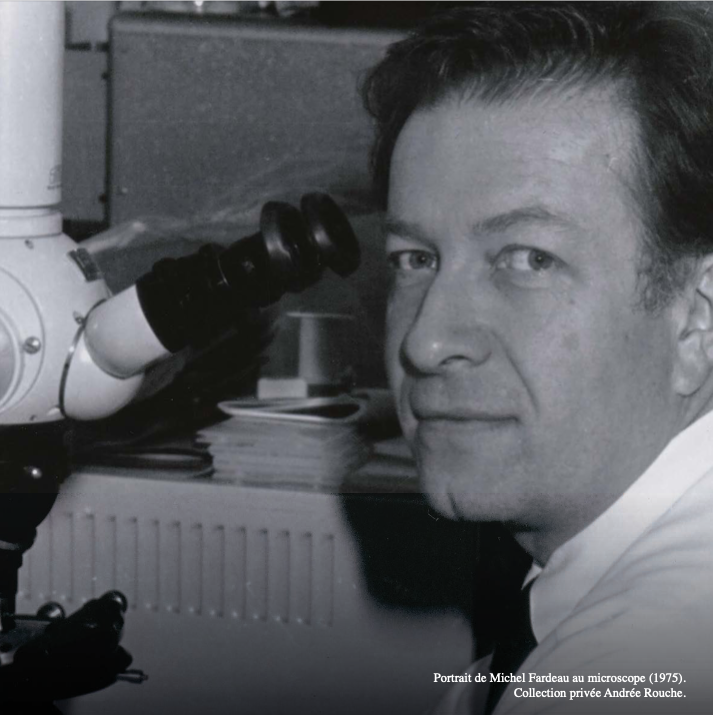
 The French Society of Myology (SFM) has published « Michel Fardeau, a life under the microscope », a beautiful book (in French) dedicated to the founding father of myology in France, an internationally recognised pioneer in electron microscopy applied to neuromuscular diseases.
An interview with Nicolas Vignier and Stéphane Vassilopoulos.
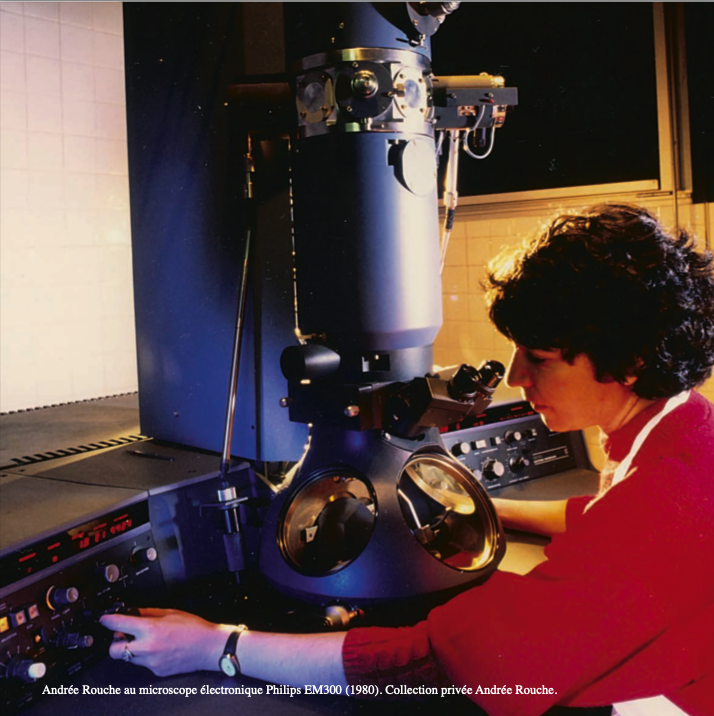
Bringing together testimonials, personal photos and archives from the Risler laboratory, this book offers access to audio excerpts from conversations conducted by three researchers who worked with him, Nicolas Vignier, Stéphane Vassilopoulos and Andrée Rouche.
The SFM, which was founded by Michel Fardeau, has fully supported the project and offers access to the book and podcasts on its website*.
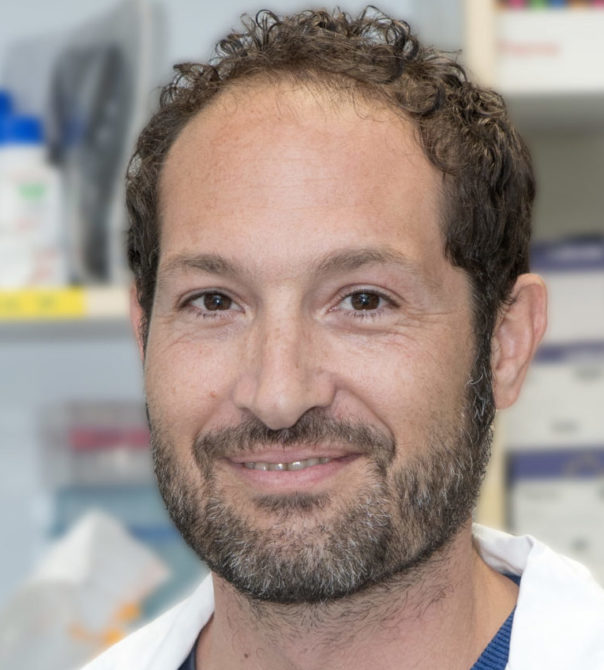
The authors
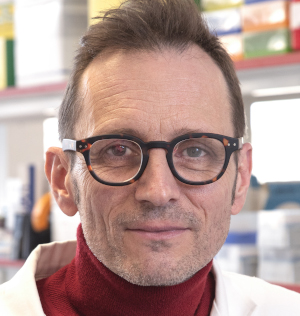
Upon his arrival at the Institute of Myology, Nicolas Vignier** worked on merosin-negative neuromuscular diseases with Michel Fardeau.
 While working on his thesis in Kevin Campbell’s laboratory in the United States, Stéphane Vassilopoulos** wondered who this Frenchman was whose name appeared in all the articles on electron microscopy. “I realised at that moment that there was a French researcher who had done a tremendous amount of work, especially in understanding, analysing and discovering a whole class of myopathies. After my post-doc, when I arrived at the Institute of Myology in the 2010s, I quickly got in touch with Michel to talk to him about everything he had done. I learned a lot from listening to him analyse biopsies” (SV).
Andrée Rouche, a physicist trained in optics, worked with Michel Fardeau from the 1960s onwards.
At the very beginning of the project
In 2021, during Andrée Rouche’s retirement party, Stéphane shared with Nicolas his desire to talk to Michel Fardeau. When they suggested that he recount his research, he liked the idea, and the original informal discussion evolved into recorded interviews. ‘We weren’t sure how to use these audio recordings, and I had the idea of creating both a podcast and a book’ (NV). The audio recordings are accessible via QR codes located at the beginning of each chapter in the book and on the SFM website. ‘We really wanted to make Michel’s audio recordings accessible, because it’s wonderful to hear him talk about his discoveries’ (SV).
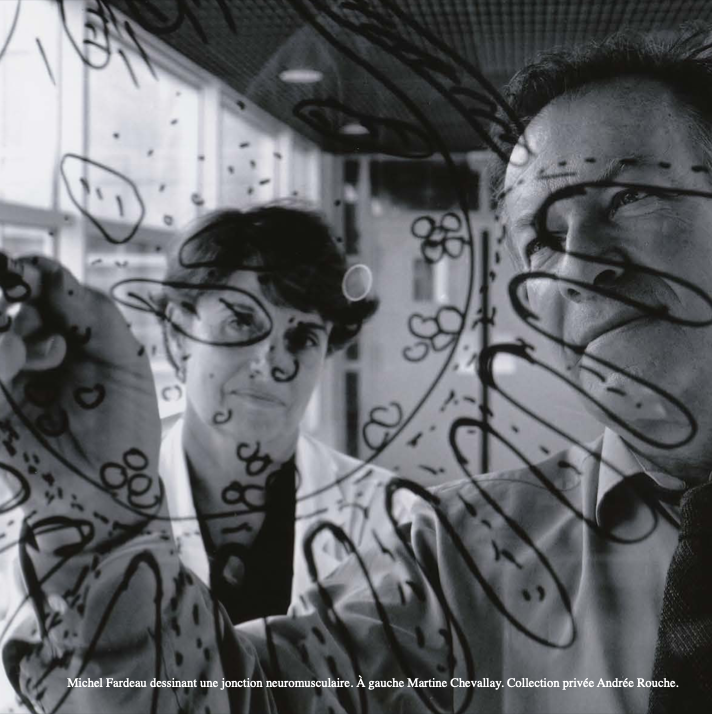
Carte blanche to Michel Fardeau
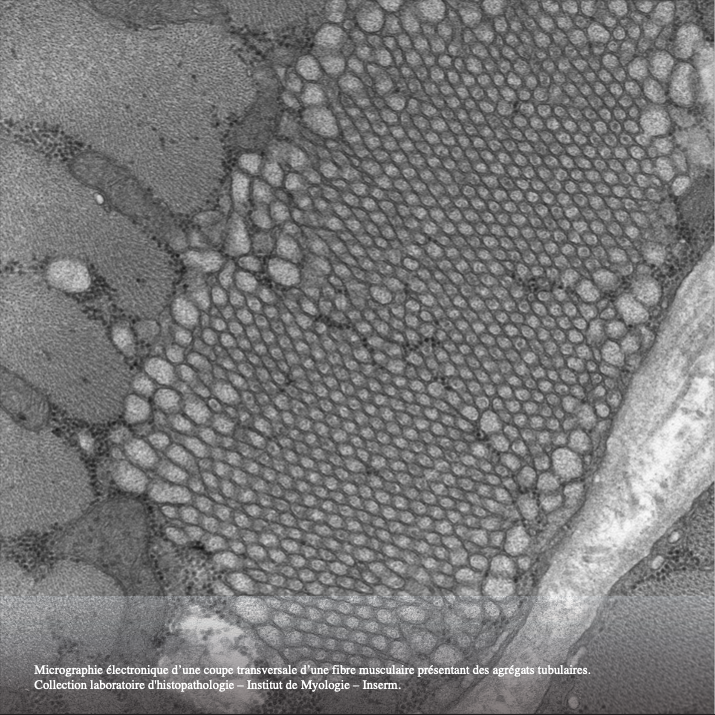
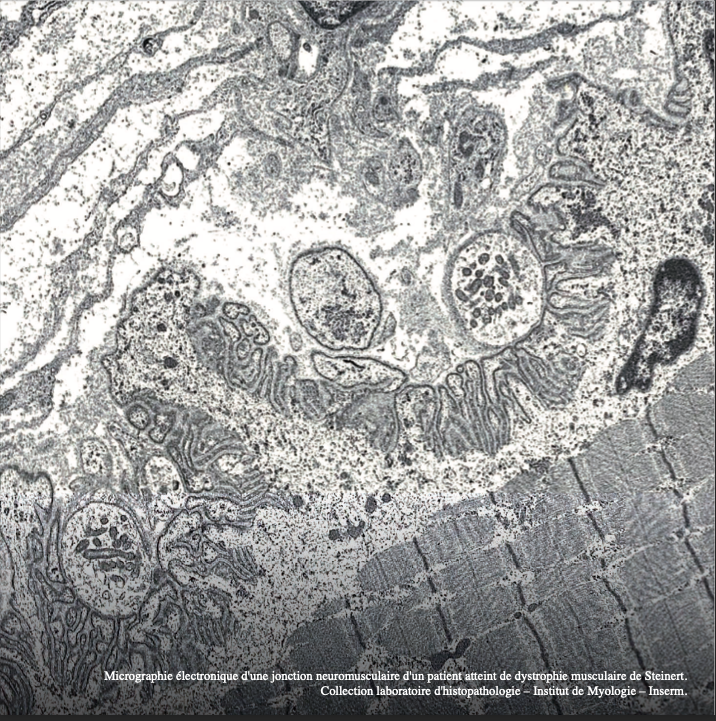
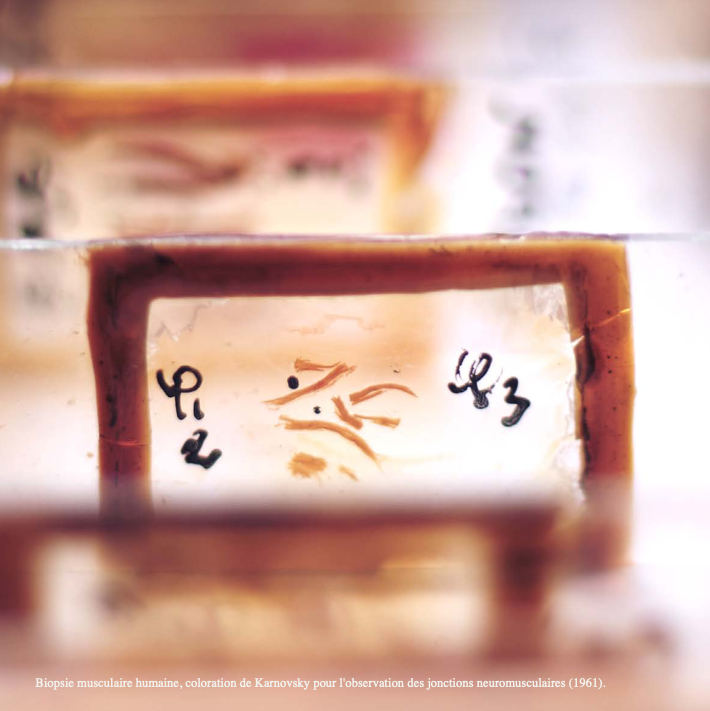
More than four hours of audio recordings were collected during two sessions at the end of 2023, at Michel Fardeau’s home in Sceaux. ‘He welcomed us by the fireside. It was wonderful to be there, sitting next to him after all these years… it was a very interesting experience. (…) When we heard the whole story, we said to ourselves: now we have to do something with it…’ (NV). During the interview sessions, the authors had access to the family archives and chose photos, notebooks and other personal documents to accompany the verbatim transcripts. To these were added magnificent photos of scientific equipment and objects***, teams and laboratories, slides and electron microscopy.
The importance of electron microscopy
The book follows Michel Fardeau’s story, covering his youth and his life as a researcher in various laboratories, as well as the importance of his mentors, Raymond Garcin and René Couteau, certain myopathies that he helped to characterise, and concludes with some ethical reflections. ‘The reason he had such an impact was that he was the first to advocate the use of electron microscopes. (…) Michel had the first electron microscope at La Pitié-Salpêtrière. The resolution was such that it enabled the discovery of the ultrastructure of cells, their similarities and differences, and the specific characteristics of each neuromuscular pathology.’ (SV). ‘High-resolution analysis of muscle biopsies from patients was revolutionary. That’s why he was admitted to the Academy of Sciences’ (NV and SV).
_______
* Download the electronic version of the book and listen to the podcasts (in French) on the SFM website
** Nicolas Vignier, researcher in the Signalisation pathways & striated muscles team at the Center of Research in Myology and Stéphane Vassilopoulos, researcher and co-head of the Muscle cell organization & therapy of dominant centronuclear myopathy team at the Center of Research in Myology
*** Some of the shots were taken by Zaky Maayoufi, and the artistic direction was handled by Fabrice Allard.